
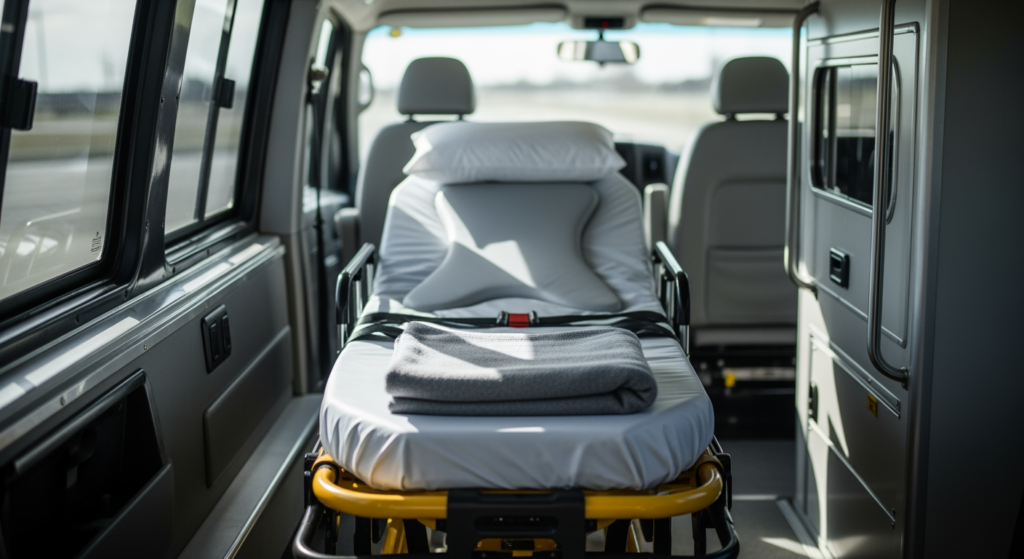
Planning a long-distance, non-emergency medical patient transport can feel like juggling a dozen details at once—especially when your loved one will be traveling on a stretcher for hours. This how-to guide is for family members, caregivers, and discharge planners who want practical ways to improve stretcher comfort without crossing into medical advice or changing a prescribed care plan. Comfort matters because it can affect how well a patient tolerates the ride, how smoothly handoffs go at the destination, and how stressful the day feels for everyone involved. In summer, when family schedules and facility transitions can stack up fast, having a simple prep plan helps you stay calm and organized. For a broader overview of how these trips are typically structured, see Optimizing Comfort for Long-Distance Medical Transport.
The Essentials for a More Comfortable Stretcher Ride
- Start with the care plan: comfort improves when routines (medications, hydration, oxygen, feeding schedules) can be maintained as prescribed.
- Confirm positioning expectations: clarify whether the patient must remain forward-facing, elevated, or on specific pressure-relief intervals per existing instructions.
- Pack a “comfort kit”: small, familiar items (blanket, pillow, hearing aids, glasses) often make the biggest difference.
- Plan clothing for access and warmth: soft layers and easy-change garments can reduce discomfort during checks and stops.
- Reduce motion triggers: think noise, light, and nausea sensitivities—then pack accordingly (eye mask, headphones, quiet activities).
- Assign one point person: one family coordinator prevents mixed messages about preferences, routines, and updates.
How to Set Up Comfort Without Changing Care
Comfort on a long stretcher trip is mostly about preparation and communication. Because non-emergency medical patient transportation is designed to maintain an existing prescribed care plan (not create a new one), your goal is to make the environment supportive: stable positioning, predictable routines, and fewer avoidable irritants. That means confirming what the patient already needs (and when), making sure those needs can be followed during the trip, and packing items that help them rest and feel secure.
It also helps to think in phases: (1) pre-trip confirmation, (2) day-of packing and dressing, (3) comfort checks during transport, and (4) arrival handoff. When you plan each phase, you reduce last-minute scrambling—the #1 enemy of comfort.
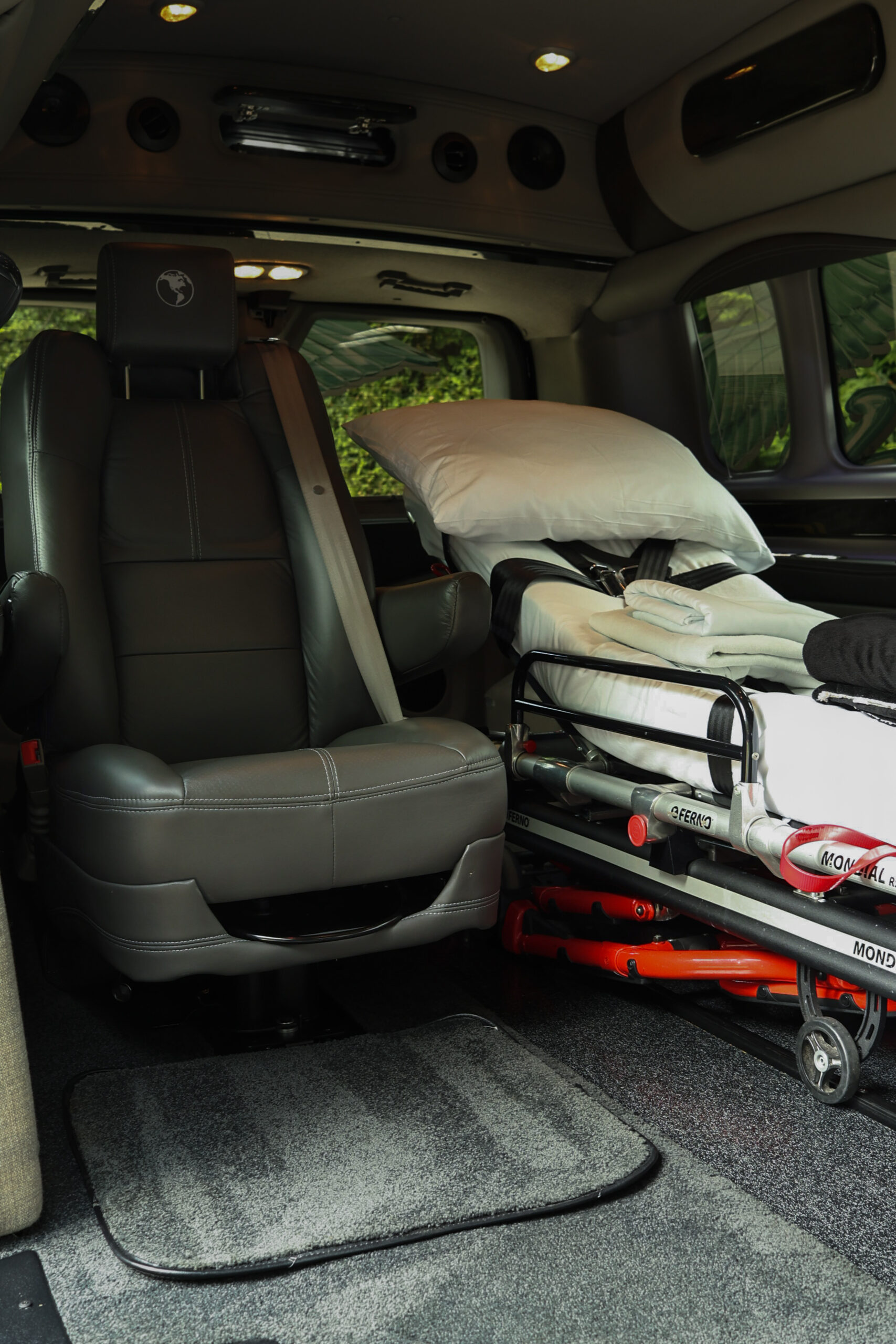
Why Comfort Planning Can Make or Break the Day
- Time: missing items (chargers, spare clothing, paperwork) can create delays at pickup or arrival.
- Continuity: when routines aren’t clearly documented, it’s harder to keep the day consistent with the patient’s normal schedule.
- Stress: uncertainty (What do they need? When?) increases anxiety for the patient and family.
- Sleep and fatigue: poor rest during the ride can make the first 24 hours at the destination tougher.
- Budget surprises: unclear expectations about what’s included can lead to last-minute add-ons with some providers (ask in advance).
Common Comfort Mistakes to Avoid (Checklist)
- Bringing “new” solutions that weren’t prescribed: avoid introducing unapproved routines or products as a substitute for the patient’s established plan.
- Forgetting sensory aids: missing hearing aids, glasses, or dentures can increase agitation and discomfort.
- Packing scratchy or restrictive clothing: seams, belts, and stiff waistbands can become miserable after hours.
- No plan for incontinence needs: not packing adequate supplies (or packing them where they’re hard to reach) can create avoidable discomfort.
- Skipping a written preference list: “They like their knees supported” gets lost—write it down.
- Overpacking bulky bags: fewer, well-organized bags are easier to access during stops.
Your Step-by-Step Action Plan for Stretcher Comfort
Prerequisites: a copy of the patient’s current care plan or discharge instructions, a packing window (even 30 minutes helps), and one designated family coordinator.
-
Confirm the non-emergency fit and the trip basics.
Tip: Ask whether the transport is designed for long-distance medical patient trips and what support is available for maintaining existing routines during travel.
-
Write a one-page “comfort and routine” summary.
Tip: Include preferred name, baseline communication needs, positioning preferences already in the plan, and a simple schedule (meds/feeds/hydration times as prescribed).
-
Pack a small, reachable comfort kit.
Tip: Think “top drawer items”: lip balm, tissues, wipes, spare socks, light blanket, glasses case, hearing-aid batteries, and a familiar item (photo or small pillow).
-
Choose travel clothing that supports access and warmth.
Tip: Soft layers, easy-open tops, and slip-on footwear help with comfort and practical care needs during stops.
-
Plan for nutrition and swallow-related needs based on existing instructions.
Tip: If the patient has diet texture needs (pureed, thickened liquids, etc.), pack only what matches current instructions and label it clearly.
-
Reduce motion and sensory overload.
Tip: Pack an eye mask, a light throw, and headphones; choose calm audio (audiobook, familiar playlist) to help pass time.
-
Set expectations for check-ins and updates.
Tip: Decide who receives updates and how often, so the patient isn’t surrounded by constant phone calls and repeated questions.
-
Do a final “reach test” before pickup.
Tip: Put the comfort kit on top, paperwork in a clearly marked folder, and a spare-change bag in an easy-access pocket.

What We’ve Learned from Real Long-Haul Transitions
In practice, we often see that the most comfortable trips aren’t the ones with the most gear—they’re the ones with the clearest routine notes and the simplest, easiest-to-reach comfort items. When everyone knows the plan (and where things are), the ride feels more predictable, and that predictability is often what patients respond to best.
When It’s Time to Bring in Professional Support
- The patient is non-ambulatory or bed-bound: you’ll want a team equipped for safe, comfortable stretcher-based travel.
- Care routines must be maintained on a schedule: if timing matters for prescribed meds, feeds, oxygen, or repositioning, professional coordination helps.
- Cognitive impairment is a factor: dementia or Alzheimer’s can make long trips harder without experienced, calm support.
- You’re coordinating facility-to-facility: handoffs, paperwork, and arrival timing often go smoother with a dedicated transport plan.
- The trip is long-distance (300+ miles): extended time increases the importance of comfort planning and continuity.
Frequently Asked Questions
What should we pack to keep a patient comfortable on a stretcher?
Pack soft layers, a light blanket, a small pillow if allowed, sensory aids (glasses/hearing aids), hygiene items, and a small familiar item. Keep essentials in one easy-access bag.
Can a family member ride along during non-emergency medical patient transportation?
Some services allow one family member to ride with the patient. Confirm this in advance so you can plan seating, communication, and what to bring.
How do we keep routines consistent during a long trip?
Use a one-page written schedule based on the patient’s existing prescribed care plan (for example, medication times and feeding routines). Share it with the transport team before departure.
Is this the same thing as calling an ambulance for a long trip?
No. Long-distance, non-emergency medical patient transportation is designed for planned transfers and maintaining an existing care plan during travel, not emergency response or critical care.
What’s the best way to reduce agitation for someone with memory issues during travel?
Keep the environment predictable: familiar items, calm audio, minimal handoffs, and a single point person for communication. Also share known triggers and preferences in writing.
Taking Action Before Travel Day
Comfort is rarely an accident—it’s the result of a simple plan, clear notes, and the right items within reach. When you focus on maintaining the patient’s existing routines and minimizing avoidable discomfort, the trip is easier to manage for everyone involved. If you’re coordinating a long-distance move, start with a one-page summary and a small, organized comfort kit. Those two steps alone can reduce stress and improve the overall experience.
Book Your Consultation
Schedule a free consultation with our experts.