

Coordinating a hospital-to-home move for a non-ambulatory loved one over 300 miles can feel like a high-stakes puzzle: discharge timing, mobility needs, comfort, and a care routine that can’t simply be “paused” for a full day of travel. This hospital to home long-distance non-emergency medical patient transportation case study is written for family decision-makers, caregivers, and discharge planners who want a clear picture of what the process can look like—without confusing it with on-demand rides or clinical care. As spring transitions bring more relocations and care setting changes, it’s a common moment for families to reassess where “home” should be. The goal here is to set expectations for planning, handoff, and maintaining an existing care plan during a long trip.
For a deeper primer on what this service is (and what it isn’t), see Understanding Long-Distance Medical Patient Transport.
Bottom Line Upfront: What This Case Shows
- A successful long trip typically hinges on aligning discharge readiness, receiving-home setup, and a clear handoff plan.
- Non-emergency long-distance medical patient transportation focuses on maintaining an existing prescribed care plan—not creating or changing one.
- For non-ambulatory patients, forward-facing stretcher positioning and comfort layering can matter over many hours on the road.
- Clear medication, nutrition, hydration, and toileting/incontinence routines should be documented before pickup to avoid preventable delays.
- Family updates and a single ride-along option can reduce uncertainty during a long hospital-to-home transition.
Case Background: A 300+ Mile Hospital-to-Home Transition
Patient profile (generalized): An older adult, non-ambulatory, recently stabilized in a hospital setting and cleared for discharge with an existing care plan. The patient required assistance with repositioning, had incontinence needs, and followed a structured medication schedule. The family’s priority was a safe, comfortable trip home without disrupting established routines.
Family goal: Move the patient from hospital discharge to home—over 300 miles away—while keeping comfort, dignity, and routine front and center.
Why this is a “process & expectations” case: The transport itself is only one piece. The real work is coordinating the handoff between a clinical environment and a home environment across a long distance, with no room for improvisation.

The Core Challenge: Handoff Details That Make or Break the Trip
This situation wasn’t about “getting a ride.” It was about executing a controlled transition where multiple small details—if missed—could create discomfort, confusion, or delays.
Key friction points the family faced:
- Discharge timing uncertainty: The family needed a pickup window that could flex with hospital workflow while still protecting the patient’s routine.
- Non-ambulatory mobility needs: Transfers had to be handled carefully and consistently, with the patient remaining appropriately supported.
- Care continuity during travel: The patient’s existing schedule (medications, hydration, comfort measures, repositioning) needed to continue during the trip.
- Home readiness: The receiving home had to be prepared for arrival—bed setup, clear pathways, and a plan for the first hour after entry.
The Approach: Planning the Pickup, Transfer, and On-Road Routine
This case followed a practical, step-by-step approach designed to reduce surprises. The focus stayed on logistics and continuity of the patient’s existing prescribed plan—no new medical interventions were introduced.
1) Pre-transport alignment (before the vehicle arrives)
- Discharge packet review: Confirmed the patient’s current medication list, timing, diet instructions, and mobility notes were available for reference.
- Family point-person assigned: One person was designated to communicate with hospital staff and the transport team to avoid mixed messages.
- Trip pacing planned: Built in reasonable stops for comfort needs and routine continuity (as appropriate to the care plan).
2) Day-of handoff at the hospital
- Identity and readiness confirmation: Ensured the patient was ready for discharge and personal essentials were gathered.
- Transfer plan clarified: Confirmed how the patient would be moved from bed to stretcher and what positioning was most comfortable.
- Family communication plan set: Established how updates would be shared during the trip.
3) In-transit care continuity (non-emergency)
- Routine maintenance: Followed the existing schedule for medications, hydration, and comfort measures as documented and supplied.
- Comfort-first setup: Used a forward-facing stretcher orientation and supportive bedding layers to reduce discomfort on a long ride.
- Repositioning awareness: Stayed attentive to scheduled turning/repositioning needs when part of the existing plan.
4) Arrival and home entry
- Clear arrival coordination: Confirmed the receiving party was ready at the home before arrival.
- Direct-to-bed transfer planning: Minimized unnecessary transitions once inside the home environment.
- First-hour stability focus: Prioritized comfort, safe positioning, and settling into the home routine.
Results: What Went Smoothly (and Why)
In this case, the most meaningful outcome wasn’t “speed.” It was a controlled, calm transition that respected the patient’s dignity and reduced stress for the family.
Observed outcomes from the process:
- Fewer last-minute scrambles: Having the discharge documents, supplies, and a single family point-person reduced confusion at pickup.
- Better comfort over many hours: Planning for positioning, bedding, and routine breaks supported a steadier trip experience.
- Clear expectations for everyone: The family understood the non-emergency scope: continuity of an existing plan, not clinical decision-making.
- Reduced family anxiety: Consistent updates and predictable steps made the day feel manageable.
What This Hospital-to-Home Long-Distance Non-Emergency Medical Patient Transportation Case Study Teaches
This hospital to home long-distance non-emergency medical patient transportation case study highlights a simple truth: long trips go better when you treat them like a handoff project, not a vehicle reservation.
Key lessons:
- “Ready for discharge” and “ready for travel” are related but not identical. Confirm the patient can tolerate the planned duration and positioning within the existing plan.
- Documentation prevents delays. A clear, accessible care schedule helps everyone stay aligned without guesswork.
- Home readiness is part of transport readiness. The trip ends when the patient is safely settled—not when the vehicle parks.
Common Missteps in 300+ Mile Hospital-to-Home Moves (Checklist)
- Assuming any “medical ride” is the same: On-demand rides and clinical services operate differently than planned, non-emergency long-distance medical patient transportation.
- No single decision-maker: When five people text five different updates, the plan turns into a group chat—fun for memes, not for discharge coordination.
- Missing the real care schedule: Relying on memory instead of a written routine can lead to preventable discomfort and confusion.
- Forgetting the first hour at home: If the bed isn’t ready or pathways aren’t clear, arrival becomes an avoidable obstacle course.
- Overpacking the wrong items: Entertainment is nice; essentials (documents, prescribed supplies, comfort items) are critical.
A Practical Prep Plan Families Can Reuse (Checklist)
- Request a clear discharge packet: Include current meds list, diet notes, mobility notes, and any timing considerations.
- Write a one-page routine sheet: Medication times, hydration/feeding routine (if applicable), repositioning schedule (if applicable), comfort preferences.
- Pack a “reachable bag”: Documents, wipes, gloves, spare linens, prescribed supplies, and comfort items that must be accessible during travel.
- Confirm home setup before pickup: Bed location, clear pathways, lighting, and who will meet the vehicle.
- Choose a single family point-person: One communicator prevents crossed wires with facilities and the transport team.
- Plan for a calm arrival: Aim for a quiet first hour to settle, reposition, and re-enter routine.
Professional Insight: The Small Detail That Usually Matters Most
In practice, we often see the smoothest hospital-to-home long-distance transitions when families treat the care routine like a travel itinerary—written down, easy to reference, and shared with everyone involved. It’s not glamorous, but it’s the difference between a coordinated day and a stressful one.
When It’s Time to Ask for Professional Transport Support
Consider getting professional help for a long trip when:
- The patient is non-ambulatory and needs stretcher-based positioning and assisted transfers.
- The trip is over 300 miles and maintaining comfort and routine becomes harder with standard travel options.
- The patient has an established care schedule (medications, oxygen requirements, feeding routines, repositioning) that must continue during travel.
- Family members can’t safely manage the physical demands of transfers, repositioning, and extended travel time.
- You need predictable communication and coordinated arrival planning rather than an on-demand pickup model.
Common Questions Answered
Is this type of service the same as an on-demand rideshare with a wheelchair option?
No. Long-distance, non-emergency medical patient transportation is typically planned in advance and designed around mobility needs, comfort, and maintaining an existing prescribed care routine during a long trip.
Can a family member ride along during the trip?
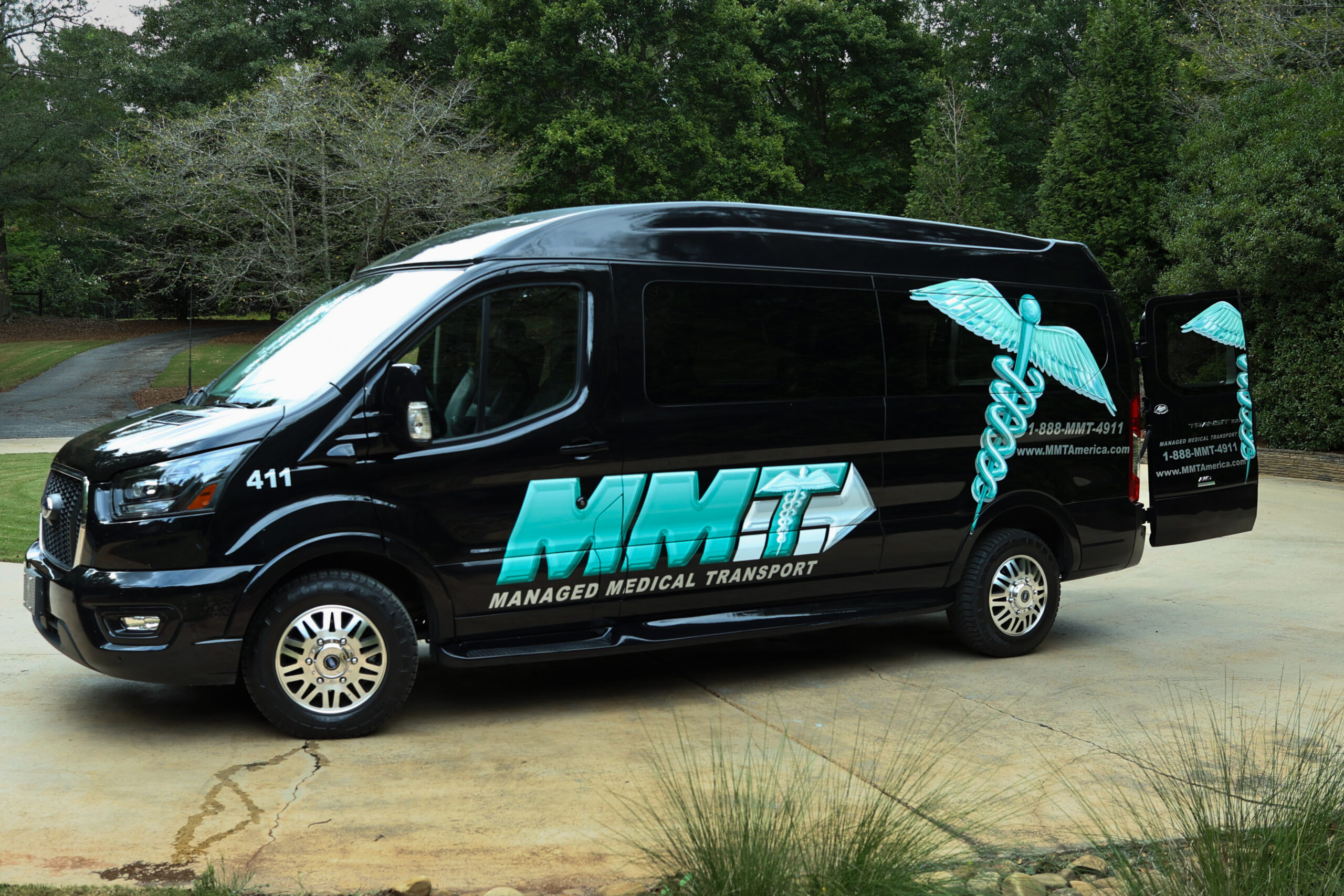
Managed Medical Transport, Inc. allows one family member to ride with the patient, which can help with reassurance and continuity during a long transition.
What kinds of patient needs can be supported during a long trip?
Depending on the patient’s existing prescribed plan, support can include maintaining medication schedules, hydration, comfort measures, oxygen requirements, incontinence care, and scheduled repositioning.
Do you provide medical treatment or change the care plan during transport?
No. Managed Medical Transport, Inc. does not provide medical treatment or diagnosis and does not initiate new care plans. The focus is on maintaining the patient’s existing prescribed care plan during non-emergency transport.
How does pricing typically work for long-distance trips?
Managed Medical Transport, Inc. offers flat-rate, all-inclusive pricing for long-distance medical patient transports over 300 miles, with no additional fees for mileage, tolls, meals, or stops.
Where to Go from Here
A long hospital-to-home move over 300+ miles is doable when you plan the handoff, document the routine, and prepare the home environment before wheels roll. The most reliable outcomes come from aligning expectations: this is non-emergency transportation designed to maintain an existing care plan—not a substitute for clinical care. If you’re coordinating a complex discharge, having a clear process can reduce stress for everyone involved.
Get Your Free Quote
Find out how we can help with a no-obligation quote.