

Planning to move a loved one between care settings is rarely simple, and the logistics get harder when the trip is hundreds of miles. Families, caregivers, and discharge planners are increasingly asking how to schedule long-distance non-emergency medical patient transportation in a way that avoids last-minute surprises—especially when paperwork, medication routines, and receiving-facility coordination all need to line up. During the winter months, travel timing and comfort planning can add another layer of coordination without changing the non-emergency nature of the trip.
This update focuses on what’s changing in the broader long-distance, non-emergency medical patient transportation landscape: more structured discharge processes, tighter facility intake windows, and higher expectations for documentation and communication. If you understand the moving pieces early, you can set a realistic timeline, reduce delays, and protect continuity of the patient’s existing prescribed care plan. For a baseline overview of how these services work, see Understanding Long-Distance Medical Patient Transport.
The Essentials for 2026 Scheduling (Lead Time, Documents, Coordination)
- Start with the “ready-to-travel” question: confirm the sending facility’s discharge requirements and the receiving facility’s intake requirements before you lock a date.
- Expect more documentation checkpoints: facilities commonly require written handoff details and contact info for responsible parties (family, POA, case manager).
- Build in coordination time: aligning pickup windows, intake hours, and family availability often takes longer than the drive itself.
- Plan for care continuity, not new care: long-distance non-emergency medical patient transportation should follow the patient’s existing prescribed care plan (medication schedule, oxygen needs, feeding routines) rather than introducing new interventions.
- Clarify the service model: this is not on-demand rideshare; it’s a planned, non-emergency medical patient transport with defined scope and safety boundaries.
What’s Changing in Non-Emergency Long-Distance Transport Planning
Across healthcare transitions, the trend is toward more standardized handoffs and clearer accountability. That affects long-distance, non-emergency medical patient transportation in a few practical ways:
- More formal discharge workflows: hospitals and facilities may require specific pickup windows, discharge packets, and named contacts who can authorize changes.
- Tighter receiving-facility intake rules: many facilities only accept arrivals during set hours, and they may require advance confirmation of room readiness.
- Higher expectations for communication: families often want predictable update cadence and clear escalation paths for non-emergency issues (comfort, delays, coordination questions).
- Greater emphasis on patient comfort over long distances: families are asking more about positioning, bedding, motion comfort, and planned stops—especially for non-ambulatory patients.
None of these trends change the core boundary: these trips are non-emergency and are not a substitute for hospitals, physicians, or emergency services. The goal is safe, comfortable, planned movement while maintaining the existing care plan during transit.
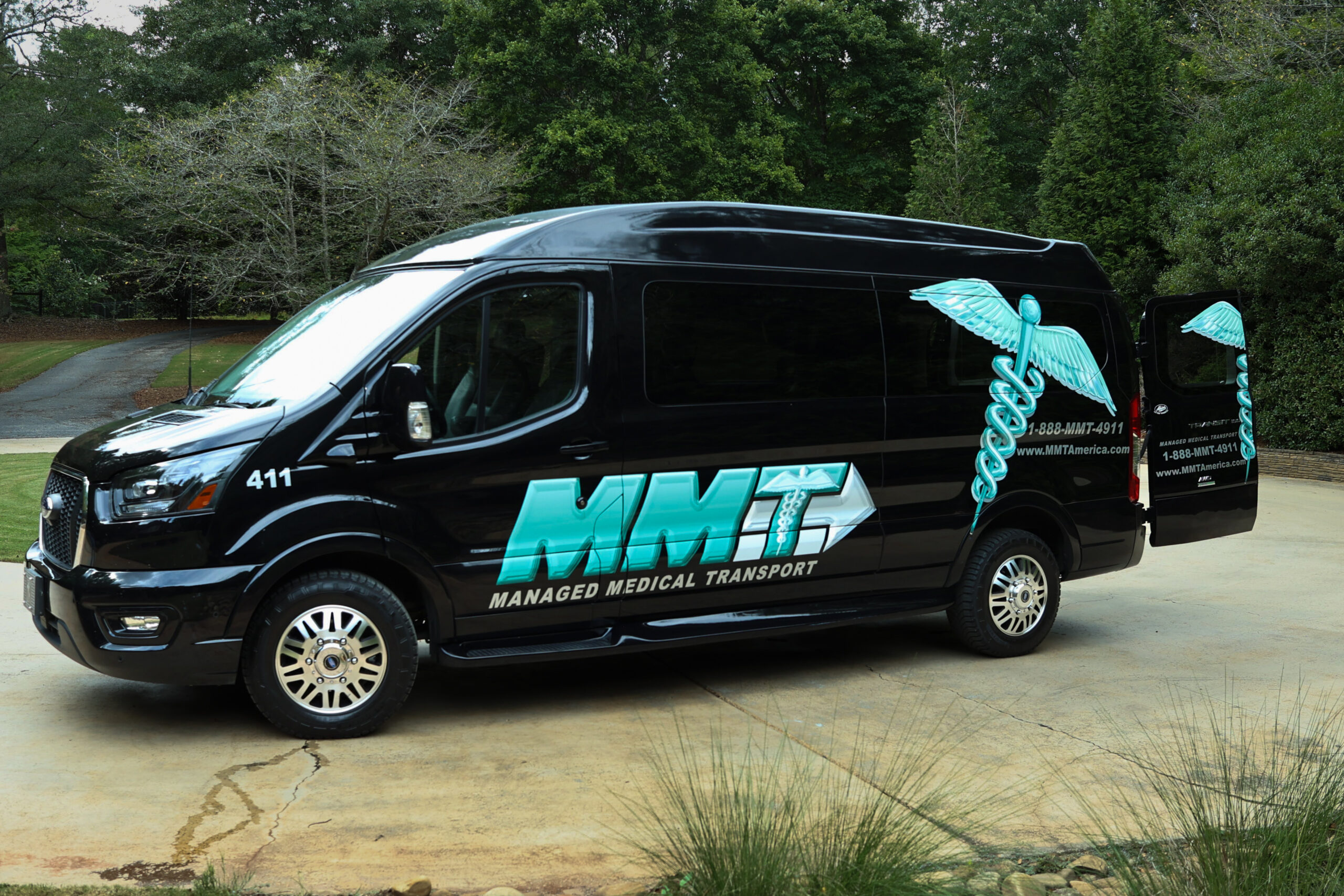
The Real-World Impact: Time, Cost Predictability, and Fewer Delays
When planning expectations are unclear, families can run into preventable friction. The most common impacts show up in three areas:
- Timeline risk: if the receiving facility can’t accept the patient at the planned time, you may face rescheduling and extended stays where the patient currently is.
- Continuity risk: rushed planning makes it harder to keep medication schedules, feeding routines, hydration, oxygen needs, and comfort measures consistent during the trip.
- Budget uncertainty: unclear scope (what’s included, what’s not, who rides along, how stops work) can create confusion—especially when comparing planned medical transport to on-demand ride options that aren’t designed for non-ambulatory care needs.
The practical takeaway: a little more planning time up front tends to reduce day-of complications and helps everyone—family, sending facility, receiving facility, and transport team—operate from the same playbook.
Coordination Mistakes to Avoid (Quick Checklist)
- ☐ Waiting for “discharge day” to start scheduling: facility paperwork and acceptance calls often take longer than expected.
- ☐ Not confirming receiving-facility intake hours: arrival outside intake windows can trigger delays or refused handoff.
- ☐ Assuming any transport option can handle non-ambulatory needs: planned medical patient transport differs from rideshare models in scope, staffing, and equipment.
- ☐ Missing the medication and routine handoff details: even when no new care is provided, continuity depends on accurate schedules and supplies being ready.
- ☐ Unclear decision-maker chain: if the transport team can’t reach the right person for non-emergency coordination questions, small issues can become big delays.
- ☐ Overlooking comfort logistics: positioning preferences, incontinence supplies, and planned stops should be discussed before pickup.
A Smart Planning Workflow Families Can Use
- ☐ Identify the coordinating lead: choose one primary family contact (or case manager) to centralize calls and approvals.
- ☐ Confirm eligibility and scope: verify the trip is non-emergency and clarify what “maintaining the existing prescribed care plan” means for this patient.
- ☐ Gather the essential documents: discharge packet, face sheet/demographics, insurance details if applicable to the facility process, and receiving-facility acceptance/contact info.
- ☐ Create a care-continuity checklist: medication schedule, feeding routine, hydration plan, oxygen requirements, repositioning needs, swallow precautions, and comfort measures (as already prescribed).
- ☐ Align pickup and intake windows: confirm the sending facility’s earliest-ready time and the receiving facility’s acceptance window before finalizing.
- ☐ Decide on family ride-along logistics: confirm whether one family member will ride with the patient and what they should bring for the trip.
- ☐ Set an update plan: agree on who receives updates and how they’ll be shared during transit.
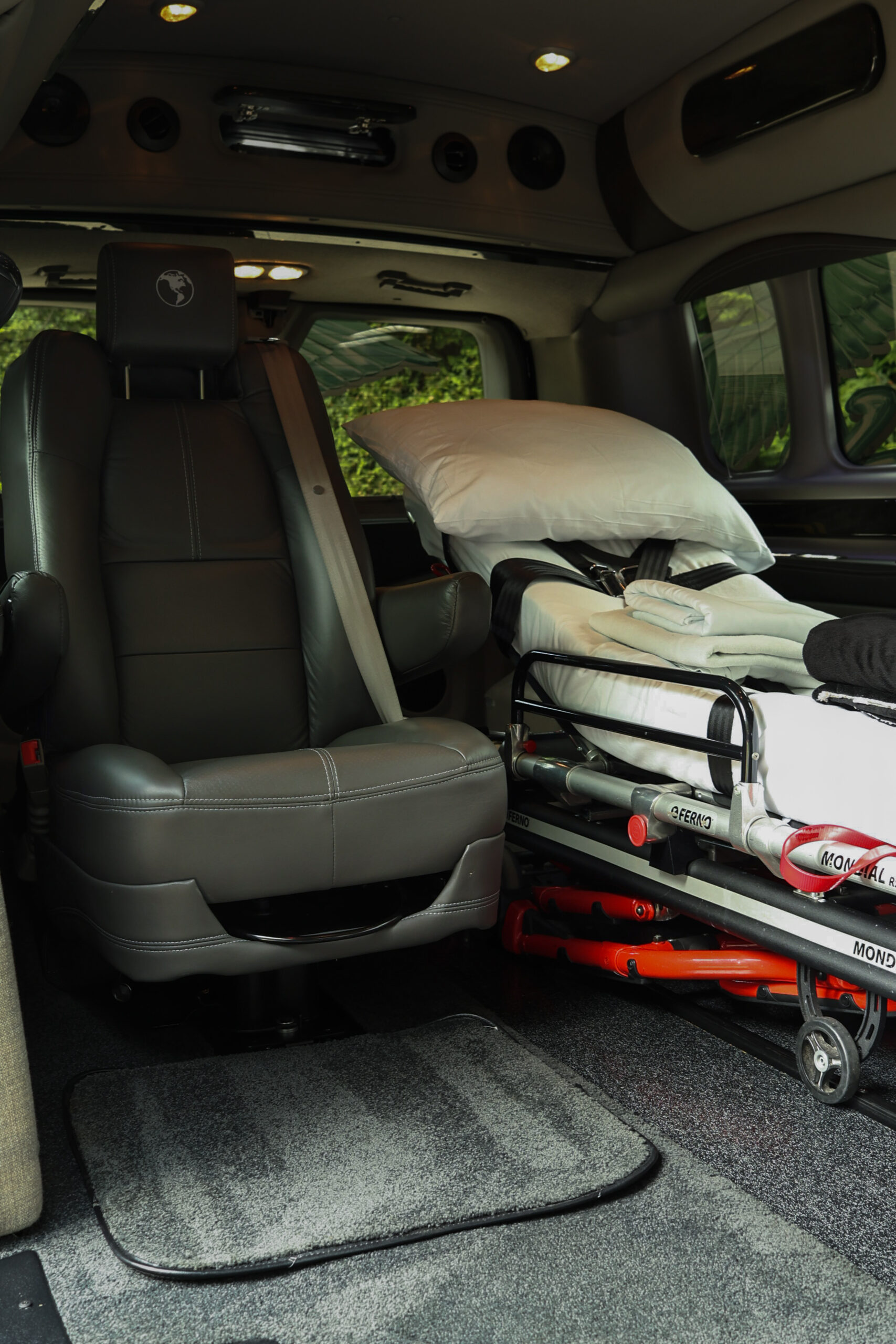
Professional Insight: Where Plans Usually Break Down
In practice, we often see planning break down at the “middle seam”—the moment when the sending facility says the patient is ready, but the receiving facility isn’t fully prepared to accept the handoff. When families anticipate that seam and confirm intake requirements early (hours, point-of-contact, and acceptance confirmation), the entire process tends to feel calmer and more predictable.
When It’s Time to Involve a Transport Professional
Consider getting professional help coordinating long-distance, non-emergency medical patient transportation when any of the following are true:
- The trip is over 300 miles and the patient cannot sit upright for the full journey.
- The patient has time-sensitive routines (medications, feeding tubes, oxygen needs, diabetic care routines) that must be maintained during transit.
- Multiple parties must align (hospital discharge, receiving facility intake, family travel, POA approvals).
- Cognitive impairment is a factor (such as dementia) and consistent, calm continuity is important.
- You need clear scope boundaries so everyone understands this is non-emergency transport and not a replacement for clinical care.
Common Questions Answered
How far in advance should we start planning a non-emergency long-distance patient move?
As early as you can once a transfer is being considered. The biggest timing variables are usually paperwork readiness, pickup windows at the sending facility, and intake hours at the receiving facility.
What paperwork is typically needed for a facility-to-facility transfer?
Requirements vary by facility, but commonly include a discharge packet, patient demographics/face sheet, receiving-facility acceptance details, and clear contact information for the responsible decision-maker.
Is this the same thing as a medical rideshare or on-demand ride service?
No. Long-distance, non-emergency medical patient transportation is planned and coordinated for patients who may be non-ambulatory or need continuity of an existing prescribed care plan during travel, which differs from on-demand ride models.
Can a family member ride along during the trip?
Many non-emergency long-distance medical patient transport models allow one family member to ride with the patient. Confirm ride-along rules and space constraints during scheduling.
Does the transport team provide medical treatment during transit?
Non-emergency long-distance medical patient transportation is not medical treatment or diagnosis. The focus is on safe transport and maintaining the patient’s existing prescribed care plan during the trip, not initiating new interventions.
The Path Ahead
Planning expectations for long-distance, non-emergency medical patient transportation are becoming more structured, with greater emphasis on documentation and coordinated handoffs. If you align discharge readiness, receiving-facility intake, and the patient’s existing routines early, you can reduce avoidable delays and keep the trip more predictable. The best plans are simple, written down, and shared with every party involved. When the move involves complex coordination or non-ambulatory needs, professional support can make the process easier to manage.
Get in Touch
Fill out our quick form and we’ll get back to you within 24 hours.