Crossing State Lines in Non-Emergency Long-Distance Medical Patient Transport: What Families Should Prepare

Crossing State Lines in Non-Emergency Long-Distance Medical Patient Transport: What Families Should Prepare

A Gut-Wrenching Moment for Many Families facility (or home setup), the patient is stable enough for a move, and then someone says, “Okay… but we’re crossing state lines.”

And suddenly it’s not just a ride anymore. It’s timing, paperwork, phone calls, and that nagging worry: What am I forgetting? If you’re coordinating non-emergency long-distance medical patient transport, especially cross-state medical transport, the details matter—not in a scary way, but in a “let’s make this smooth and predictable” way.

(Stay with me here—this isn’t a giant generic checklist. This is the stuff that tends to pop up specifically when the trip crosses state lines and the distance is real.)

If you want the bigger-picture overview of how long-distance medical patient transportation works, I’d point you to this guide first: Understanding Long-Distance Medical Patient Transport. It’s the foundation. What we’re doing today is the “crossing borders” layer on top.

First: make sure everyone agrees on the when (not just the “yes”)

One of the most frustrating things I see families run into is thinking the move is approved… when really it’s approved in theory. Then the day of transport arrives and a facility says, “We can’t receive after 5pm,” or “Admissions isn’t here on weekends,” or “We need updated paperwork before arrival.” Sound familiar?

For long-distance stretcher transport over 300 miles, timing isn’t just convenience—it’s logistics. You might want to confirm:

  • Receiving facility intake hours (and whether they accept arrivals after-hours)
  • Weekend/holiday limitations for admissions, pharmacy, or nursing assessment
  • Discharge timing from the sending facility (when the patient can actually be released)
  • Time zone changes (easy to forget, surprisingly disruptive)

My opinion? The easiest transports are the ones where the facilities are aligned on a specific arrival window—not a vague “sometime tomorrow.”

Facility-to-facility coordination: who is the “owner” of the handoff?

Here’s where it gets interesting: when a patient crosses state lines, you often have more people involved, but less clarity about who’s actually driving the process.

Typically, you’ll want to identify one point of contact on each end:

  • Sending facility: the discharge planner, case manager, or charge nurse
  • Receiving facility: admissions coordinator or nurse manager (who can confirm they’re ready)

Then ask a couple of simple-but-powerful questions:

  • “Who will I call if something changes the morning of transport?”
  • “What paperwork must physically travel with the patient?”
  • “Do you need anything faxed/emailed before arrival?”

This isn’t medical advice—just a reality check: the smoother the handoff, the less stressful the trip feels for everyone (including the patient).

The documents families forget until they’re already on the road

Crossing state lines doesn’t usually mean you need “special” documents like a passport would (unless you’re crossing into Canada), but it does mean you’re farther from the original care team—and that’s when having copies becomes priceless.

1) A current medication list (and I mean current)

Not a month-old printout. Not a handwritten guess. Ideally, you have a clean list that includes:

  • Medication name
  • Dose
  • Schedule/times
  • Purpose (helpful for the receiving team)
  • Allergies

If the patient has PRN (“as needed”) meds, you might want to note what typically triggers them (again: informational, not instructions).

2) Copies of prescriptions or orders (when applicable)

In my experience, families feel calmer when they have documentation that supports the existing care plan—especially if the receiving facility asks questions during intake. This is particularly relevant for things like oxygen use or feeding supplies. Requirements vary, so you’ll want to check with the sending and receiving facilities about what they expect in the packet.

3) Insurance cards and photo ID (bring backups)

It sounds basic, but it’s the kind of basic that can derail an admission if it’s missing. I like the “two-layer” approach:

  • Physical cards in a folder
  • Phone photos as a backup

4) Face sheet + recent discharge summary (if available)

Facilities often create a face sheet that includes demographics, diagnoses, contacts, and insurance. A recent discharge summary (or transfer summary) helps the receiving team understand what’s been happening lately.

Not every family can get every document—and that’s okay. The goal is to reduce the “we don’t know” moments once you’re 200 miles away from the original facility.

Planned stops: the part families underestimate (until they don’t)

When you hear long-distance stretcher transport over 300 miles, you probably picture one long continuous drive. But real life includes stops—comfort breaks, repositioning routines, food, hydration, and just plain human pacing.

For cross-state trips, it helps to talk through stops in advance:

  • How often stops are typically needed (varies by patient needs and care plan)
  • What a stop looks like (time, privacy, accessibility)
  • Whether a family member is riding along and what they should pack
  • Any mobility or cognitive concerns that make certain stop environments a bad fit

And here’s a small thing that makes a big difference: pack a “grab bag” that stays within reach—wipes, gloves if you use them, a change of clothing, a light blanket, and anything comforting (a familiar pillow is underrated).

Crossing state lines can change the receiving rules (even if the patient hasn’t changed)

This is where families sometimes get blindsided. The patient is the same person with the same needs… but the receiving facility may have different intake procedures than what you’re used to back home.

You might want to ask the receiving facility:

  • Whether they require a new physician order upon arrival
  • How they handle pharmacy fulfillment on day one
  • What their policy is for personal medications traveling with the patient
  • Whether they need advance notice for special diet accommodations

I’m not giving legal or medical guidance here—just pointing out the pattern: crossing state lines often means new processes, and new processes mean more chances for delays if nobody asks ahead of time.

Comfort and safety aren’t “extras” on long trips—they’re the whole point

On a multi-state drive, comfort becomes practical. When someone is lying down for hours, little details matter—motion sensitivity, bedding, positioning routines, and how calm the environment feels.

If you’re curious about how long-distance transport teams generally think about risk reduction (again, informational—not medical direction), you can also read Safety Protocols in Long-Distance Medical Transport.

And just to clear up a common confusion: a lot of people casually say “long-distance ambulance” when they mean stretcher-based transportation. But non-emergency long-distance medical patient transport is different from emergency ambulance care—it’s planned, scheduled, and focused on maintaining an existing care plan, not initiating new treatment.

So where does Managed Medical Transport, Inc. fit into all this?

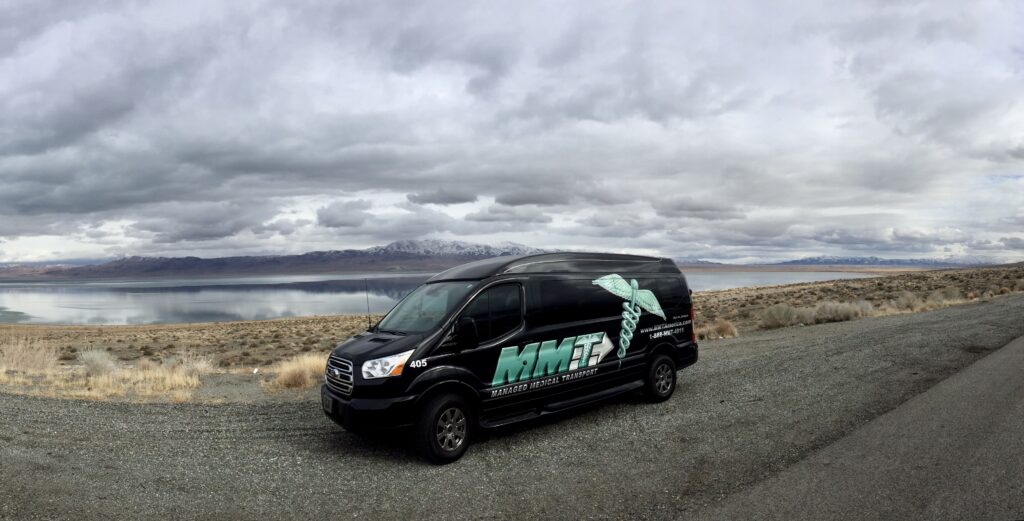
Managed Medical Transport, Inc. focuses on long-distance medical patient transports over 300 miles across the United States and Canada—especially when a patient can’t sit upright and needs a stretcher for the trip. The transports are non-emergency (not 911, not EMS), and the goal is care continuity: maintaining the patient’s existing prescribed care plan during the move (med schedules, feeding routines, hydration, oxygen, comfort measures), without starting new interventions.

One thing I genuinely love about this corner of healthcare logistics is how much relief it can bring families when the trip is thoughtfully planned—timing confirmed, facilities aligned, paperwork ready, and stops anticipated instead of improvised.

A simple way to think about cross-state transport prep

If you’re feeling overwhelmed, try this mental model:

Align the clocks. Align the facilities. Pack the proof.

  • Align the clocks: discharge time, intake time, time zones
  • Align the facilities: clear contacts, confirmed acceptance, arrival expectations
  • Pack the proof: meds list, copies of key documents, ID/insurance

And if you’re still in the “what even is long-distance medical transport?” stage, circle back to Understanding Long-Distance Medical Patient Transport. It’ll make the rest of this feel much less intimidating.

Informational note: This article is for general planning and logistics only. Requirements can vary by facility and situation, so you’ll want to confirm details with the sending/receiving care teams and your transport provider.

Frequently Asked Questions

What is non-emergency long-distance medical transport?

Non-emergency long-distance medical transport refers to the transportation of patients who require medical care but are not in an urgent situation. This service is designed for patients who need to travel significant distances for medical appointments, treatments, or procedures.

How do I prepare for a long-distance medical transport?

Preparation involves coordinating with your healthcare provider, gathering necessary paperwork, and ensuring that all parties involved agree on the travel details. It’s important to communicate clearly about the timing, destination, and any special requirements the patient may have.

Are there any restrictions when crossing state lines for medical transport?

Yes, there can be restrictions related to state regulations, insurance coverage, and the medical needs of the patient. It’s essential to check with both the transport service and healthcare provider to ensure compliance with all necessary regulations.

What types of vehicles are used for non-emergency medical transport?

Vehicles used for non-emergency medical transport can range from standard vans to specialized transport vehicles equipped with medical equipment. The choice of vehicle typically depends on the patient’s medical condition and specific needs during transit.

Can family members accompany the patient during transport?

Yes, family members are usually allowed to accompany the patient during non-emergency medical transport. It’s best to inform the transport service in advance so they can make the necessary arrangements.

How do I schedule non-emergency long-distance medical transport?

Scheduling can be done by contacting MMT America directly through our website or customer service line. Be prepared to provide details about the patient’s medical needs, travel dates, and destination for efficient planning.

Read more Crossing State Lines in Non-Emergency Long-Distance Medical Patient Transport: What Families Should Prepare
How to Accommodate Special Diets During Long-Distance Medical Transports

How to Accommodate Special Diets During Long-Distance Medical Transports

Nutritional Care for Medical Transport Special Diets

For individuals with specific dietary needs, traveling can present unique challenges
especially when it comes to long-distance medical transports. At Managed Medical Transport, Inc.,
we understand the importance of maintaining dietary accommodations to ensure the health and comfort
of our passengers. This guide explores practical tips and strategies for family support and planning
when arranging long-distance medical transport for loved ones
with special dietary requirements.

Understanding the Importance of Special Diets in Medical Transport

Special diets medical transport is not just about preference
it’s a critical component of patient care. Whether it’s managing allergies,
swallowing difficulties, diabetes, or any other condition requiring dietary adjustments,
ensuring the right nutrition is available during transport is crucial. These dietary needs
can significantly impact the well-being of patients, making it essential for transport services
to accommodate these requirements effectively.

Planning Ahead: The Key to Successful Dietary Accommodations

Effective accommodation of special diets during long-distance medical transport
starts with thorough planning. Here are steps to ensure dietary needs are met:

  • Communicate specific dietary requirements to the transportation team well in advance.
    This allows the service provider to prepare and ensure the appropriate meals and snacks are available.
  • Provide detailed information about the patient’s dietary restrictions, preferences, and potential
    allergies to ensure meals are both safe and enjoyable.
  • Consider packing non-perishable, diet-specific snacks and meals if the journey is particularly long
    or if the patient has highly specialized nutritional needs.
  • Ensure that the transport team is aware of and capable of managing any potential emergencies
    related to dietary restrictions, such as allergic reactions.

Collaboration with Medical Transport Teams for Dietary Accommodations

At Managed Medical Transport, Inc., our commitment to care continuity includes maintaining
existing prescribed care plans during transport, which encompasses dietary needs. Collaboration
between families and our team is vital. Here’s how we support dietary accommodations:

  • Our medical transport teams are informed of and prepared to manage special diets, including
    pureed diets or those requiring feeding tubes.
  • We maintain open lines of communication with families to ensure any last-minute dietary changes
    are accommodated.
  • Continuous updates and real-time vehicle tracking provide peace of mind to families, knowing their
    loved ones are cared for properly, including their dietary needs.

Safety Protocols in Long-Distance Medical Transport

Accommodating special diets extends beyond the food itself – it’s also about ensuring the safe
and comfortable transport of patients. Our safety protocols ensure every aspect of the patient’s journey is managed with the utmost care,
including dietary accommodations. From handling feeding tubes to managing diabetes care routines,
our staff are equipped to provide the necessary support.

Ensuring a Smooth Journey: Tips for Families

To further ensure a smooth and comfortable journey for your loved one, consider these additional tips:

  • Discuss the transport plan with your loved one’s healthcare provider to ensure it aligns with their
    current health and dietary needs.
  • Prepare a detailed list of foods, beverages, and snacks that meet the dietary requirements and share
    it with the transport team.
  • If your loved one requires medication with meals, provide a detailed schedule and ensure the
    transport team understands the timing and dosage.

Conclusion: Your Partner in Health and Comfort

At Managed Medical Transport, Inc., we pride ourselves on our ability to provide safe, comfortable,
and caring long-distance medical transport for patients with a variety of special dietary needs. By
working closely with families and healthcare providers, we ensure that every aspect of the patient’s
dietary requirements is managed with precision and compassion. For more information on how we can
assist with your long-distance medical transport needs, please visit MMT America.

Frequently Asked Questions

How do you accommodate special diets during long-distance medical transports?

At Managed Medical Transport, Inc., we work closely with families to understand specific dietary needs and preferences. We ensure that appropriate meal options are available throughout the journey, adhering to any necessary dietary restrictions.

Can I bring my own meals for the transport?

Yes, you are welcome to bring your own meals for the transport. We recommend discussing this with our team beforehand to ensure that your meals can be properly stored and managed during the trip.

What types of special diets do you accommodate?

We can accommodate a variety of special diets, including those for diabetes, food allergies, gluten-free, and other medical conditions. Our team is trained to handle unique dietary requirements to ensure the health and comfort of our passengers.

Are snacks provided during the transport?

Yes, we provide snacks during long-distance medical transports. However, we encourage you to inform us of any dietary restrictions so we can provide suitable options or allow you to bring your own snacks.

How do you ensure food safety during the transport?

We prioritize food safety by following strict guidelines for food handling and storage. Our transport vehicles are equipped to maintain appropriate temperatures for perishable items, ensuring that all meals remain safe for consumption.

Can I speak to someone about my specific dietary needs before booking?

Absolutely! We encourage you to contact our customer service team to discuss your specific dietary requirements. This ensures that we can make the necessary arrangements for a comfortable and safe transport experience.

Read more How to Accommodate Special Diets During Long-Distance Medical Transports
Maintaining Care Continuity for Non-Ambulatory Patients During Long-Distance Transports

Maintaining Care Continuity for Non-Ambulatory Patients During Long-Distance Transports

In the realm of medical patient transport, ensuring the continuity of care for non-ambulatory patients over long distances presents unique challenges and requires meticulous planning. At Managed Medical Transport, Inc., we specialize in providing safe, comfortable, and seamless long-distance non-emergency medical patient transportation across the United States and Canada. This blog post aims to shed light on the critical aspects of maintaining care continuity for non-ambulatory patients during these transports, ensuring their health, safety, and comfort throughout the journey.

Understanding the Complexity of Non-Ambulatory Patient Transport

Non-ambulatory patients, those who are unable to move or walk on their own due to various medical conditions, necessitate specialized transport solutions. Our services cater to a wide range of patient needs, including those with feeding tubes, oxygen requirements, incontinence care, and more. For more detailed information on what constitutes long-distance medical patient transport, visit our page on Understanding Long-Distance Medical Patient Transport.

Key Elements of Care Continuity During Transport

Ensuring the continuity of care for non-ambulatory patients during long-distance transports involves several critical elements:

  • Medication Management: Adhering to the patient’s existing prescribed care plan, including medication schedules, is paramount.
  • Nutritional Support: Feeding routines and dietary requirements are maintained throughout the journey.
  • Comfort Measures: From enhanced bedding with a 4” memory foam overlay to prescribed comfort measures, every aspect is designed to provide the utmost comfort.
  • Communication: Continuous communication with family members and healthcare providers ensures everyone is informed and at ease.

Ensuring Safety and Comfort

Safety and comfort are the cornerstones of Managed Medical Transport, Inc.’s service. Our vehicles are equipped with forward-facing stretchers that reduce motion sickness, and our staff are trained to provide high-quality care. For an in-depth look at our safety protocols, please visit Safety Protocols in Long-Distance Medical Transport.

Why Choose Managed Medical Transport, Inc.?

Choosing the right long-distance medical transport provider is crucial for the well-being of non-ambulatory patients. Managed Medical Transport, Inc. stands out for several reasons:

  • Comprehensive Care: We maintain the patient’s existing care plan, ensuring a seamless transition from start to finish.
  • Experienced Personnel: Our team consists of professionals with medical patient-care backgrounds, ensuring the highest level of care.
  • Family Involvement: We encourage one family member to accompany the patient, providing comfort and reassurance.
  • Transparency and Communication: Continuous updates and real-time vehicle tracking offer peace of mind to families and caregivers.

Conclusion

At Managed Medical Transport, Inc., we understand the importance of maintaining care continuity for non-ambulatory patients during long-distance transports. Our commitment to safety, comfort, and the meticulous adherence to prescribed care plans ensures that patients receive the best possible care while in transit. Whether you are a family member, caregiver, or healthcare provider, we are here to support you every step of the way.

For more information on our services or to arrange a transport, please visit MMT America.

Strategies for Effective Care Continuity

To ensure care continuity for non-ambulatory patients during long-distance transports, it is essential to implement strategic measures. This includes thorough communication between healthcare providers, caregivers, and transport personnel, as well as utilizing specialized equipment to cater to the unique needs of these patients. By prioritizing these strategies, we can enhance patient safety and comfort throughout the transport process.

Frequently Asked Questions

What services do you provide for non-ambulatory patients?

We offer specialized transport solutions tailored for non-ambulatory patients, including services for those with feeding tubes, oxygen needs, and incontinence care. Our focus is on ensuring their health, safety, and comfort during long-distance journeys.

How do you ensure the safety of non-ambulatory patients during transport?

Safety is our top priority. We utilize medical-grade equipment, employ trained staff, and follow strict protocols to monitor and manage the specific needs of non-ambulatory patients throughout the transportation process.

Are your transport services available across the United States and Canada?

Yes, our long-distance non-emergency medical transport services are available throughout both the United States and Canada, ensuring comprehensive care for patients wherever they may be.

What should I prepare before booking a transport for a non-ambulatory patient?

Before booking, it’s essential to provide us with detailed medical information about the patient, including their specific needs and any equipment required during transport. This helps us tailor our services to ensure a smooth journey.

Can I accompany the patient during the transport?

Yes, family members or caregivers are encouraged to accompany non-ambulatory patients during their transport. We believe that having a familiar face can significantly enhance the patient’s comfort and peace of mind.

How do I book a transport for a non-ambulatory patient?

You can easily book a transport by contacting our customer service team via phone or through our website. Our representatives will guide you through the process and assist with any questions you may have.

Read more Maintaining Care Continuity for Non-Ambulatory Patients During Long-Distance Transports