
Summer travel schedules can make it harder to coordinate a long trip for a loved one who can’t safely ride in a standard car. If you’re planning a long-distance, non-emergency medical patient transport, heat adds a very real layer of logistics: comfort, hydration routines, medication timing, and how long it takes to load, unload, and complete stops. This guide is for families, caregivers, and discharge planners who need a clear plan—not clinical advice—so the patient’s existing care routine can be maintained during the trip. We’ll cover what “medical transport heat” planning looks like in practice, what can go wrong when it’s treated like a normal road trip, and a checklist you can use to coordinate with facilities and the transport team.
For a broader overview of how non-emergency medical patient transportation works (and how it differs from on-demand rides), see Understanding Non-Emergency Medical Transportation.
Hot-weather planning for long-distance, non-emergency medical patient transportation is about controlling variables you can control: departure timing, how transitions are handled, and how the patient’s prescribed care plan is followed consistently during the trip. Unlike a typical road trip, you’re coordinating multiple handoffs—facility staff, family, and the transport team—plus equipment and comfort needs.
A practical way to think about it: heat doesn’t just make the air warmer; it can make every “small” delay feel bigger. A ten-minute delay while paperwork is finalized can become a comfort issue if the patient is staged in a warm hallway. That’s why planning focuses on minimizing idle time during transitions and keeping routines predictable.
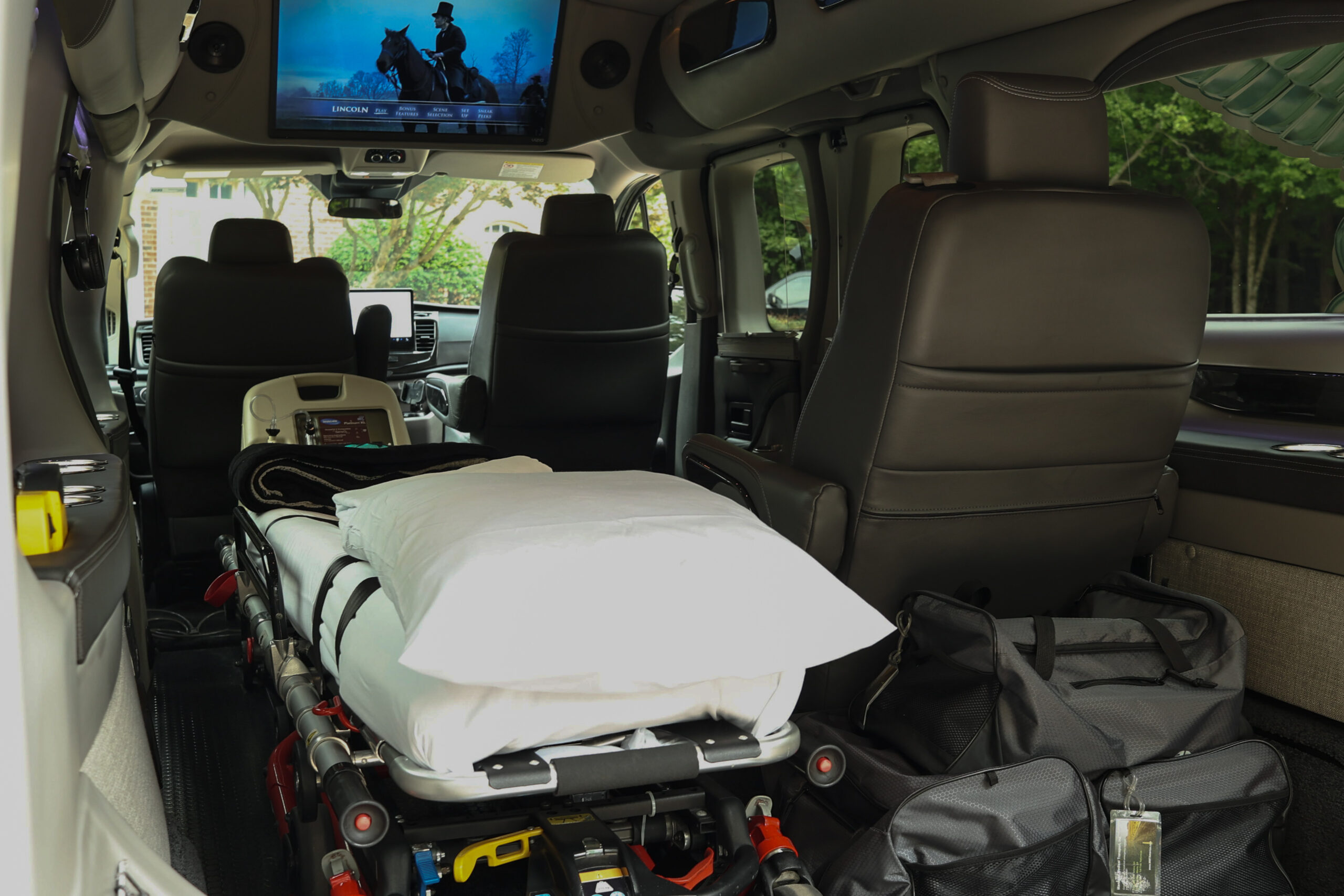
In warm months, the biggest stakes are usually comfort and schedule stability. When timing slips, it can ripple into missed routine checkpoints (like planned repositioning, feeding routines, or hydration schedules that are already prescribed). It can also create friction at facilities if pickup windows are missed and staff availability changes.
From a cost and coordination standpoint, last-minute changes can also increase complexity for families—especially when one person is trying to manage paperwork, personal belongings, and updates to relatives. The goal of summer planning is to reduce “surprise minutes” by deciding in advance how stops, handoffs, and communications will work.
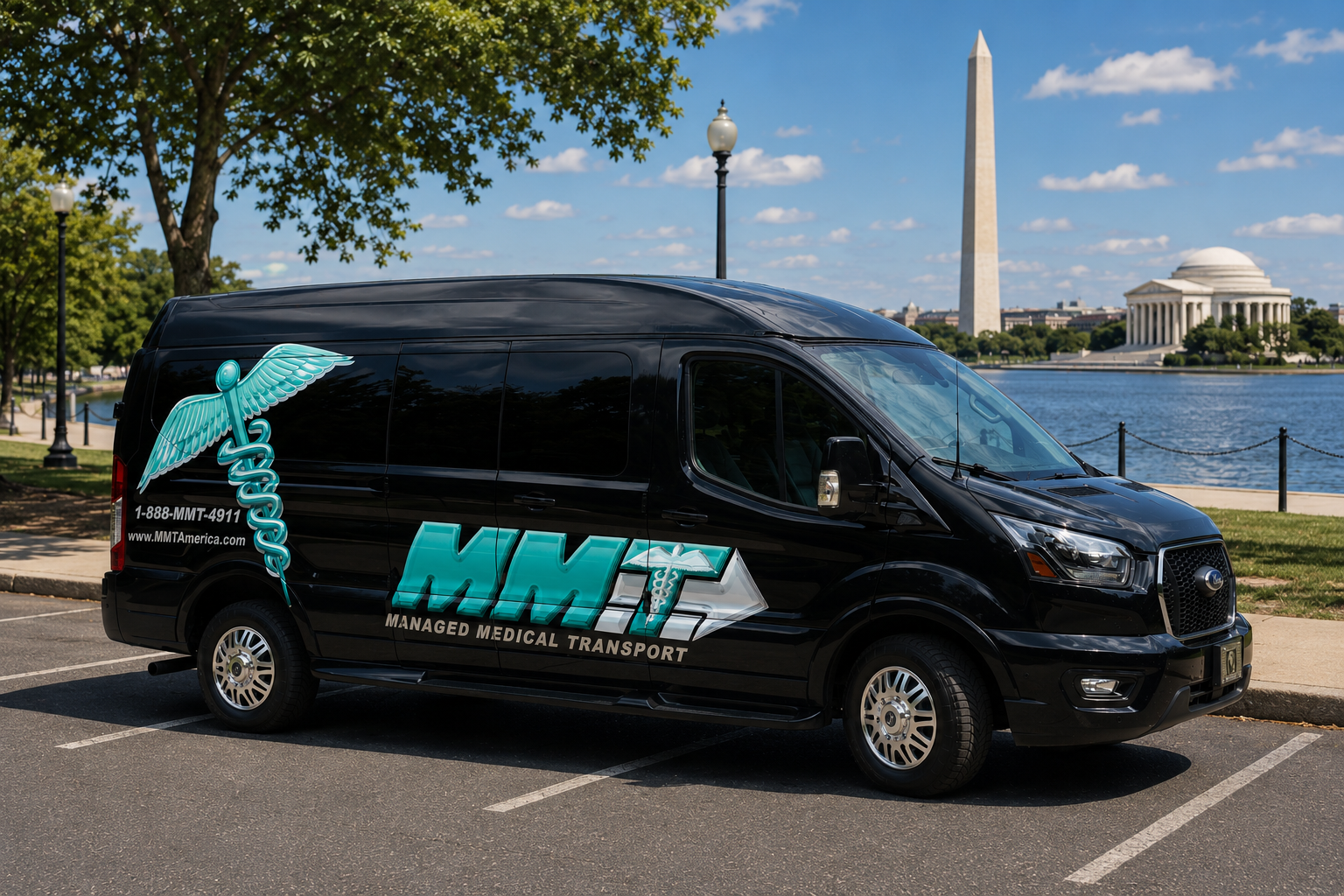
In practice, we often see that the smoothest summer transports aren’t the ones with the most elaborate plans—they’re the ones where the facility handoff is tightly coordinated and the patient’s day-to-day routine is clearly documented. When everyone knows the timing targets and who is responsible for what, the trip tends to feel calmer and more predictable for the patient and family.
Consider getting help coordinating a long-distance, non-emergency medical patient transport when:
As a rule of thumb, earlier is easier—especially in summer when schedules are busier. Planning ahead helps coordinate facility paperwork, pickup timing, and the patient’s prescribed routines without last-minute scrambling.
Have the pickup and drop-off details, the patient’s mobility level (ambulatory vs. non-ambulatory), and a summary of the current prescribed care plan (medications, oxygen, feeding routines, repositioning needs). This helps set realistic timing and comfort expectations.
In many non-emergency long-distance transports, one family member may be permitted to ride with the patient. Confirm availability and any practical constraints during scheduling.
No. Long-distance non-emergency medical patient transportation is typically scheduled, structured, and designed to maintain an existing care plan during the entire trip. It is not an on-demand rideshare model.
If the patient’s status changes, notify the facility and the transport provider immediately so the plan can be reassessed. Non-emergency transport is not a substitute for emergency services or clinical care.
Hot-weather travel adds planning pressure, but the basics stay the same: keep transitions tight, protect the patient’s comfort, and maintain the existing prescribed routine throughout the trip. Use the checklists above to align the facility, family, and transport team before the pickup window. When the plan is clear, the day tends to run with fewer surprises. If you’re coordinating a long-distance, non-emergency medical patient transport over 300 miles, a consultation can help you confirm fit and timing.
Schedule a free consultation with our experts.
Add us as a preferred source and Google will show more of our content in your Top Stories and AI results.
Button not showing? Add us as a preferred source on Google directly.